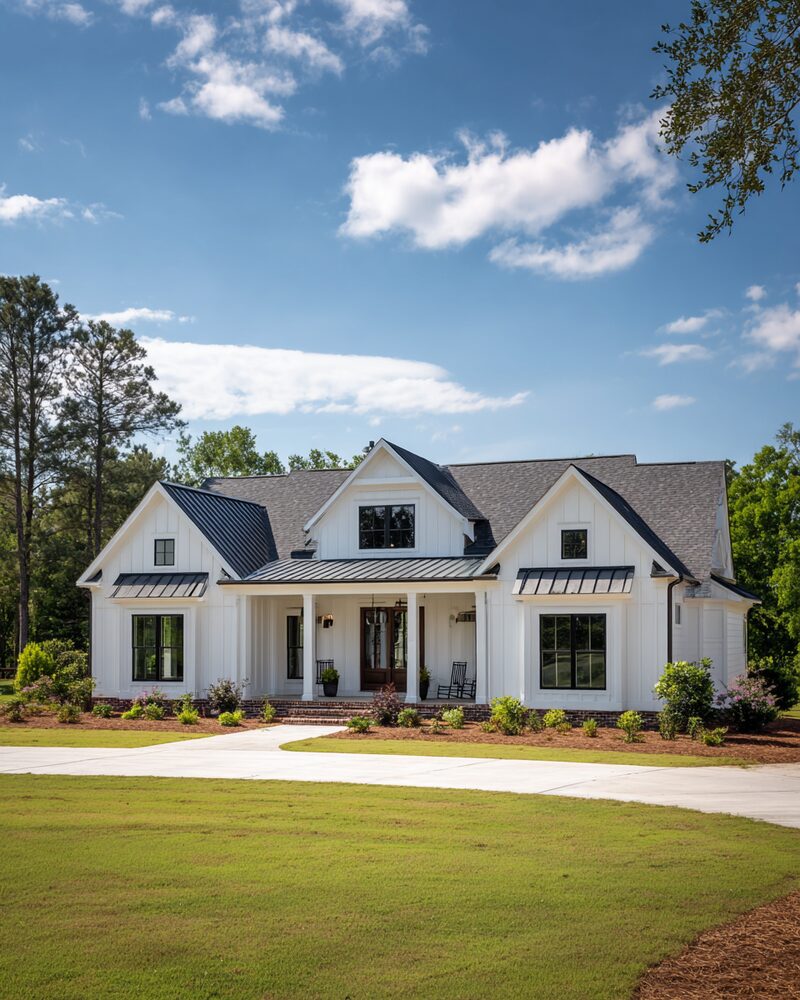
Today many buyers and sellers come to Flowery Branch GA with headlines about inventory and interest rates, but the best local decisions are built on neighborhood-level value signals that last beyond any single market cycle. Price per square foot is one of those signals when you know how to read it. This post explains what those numbers mean in Flowery Branch, where premiums form, and practical steps to convert them into better offers and smarter listings you can use today and years from now.
Price per square foot is more than a number. It is a shorthand that buyers use to compare similar homes and that sellers use to benchmark where their property sits against the competition. In Flowery Branch that number shifts dramatically by proximity to Lake Lanier, downtown amenities, school zones, and lot size. A home near the marina or with lake access will command a premium; the same applies to turn-key homes in highly walkable parts of town.
How to make the metric work for sellers. Start with neighborhood-level comps instead of city-wide averages. Break down recent sales by blocks or subdivisions: downtown Flowery Branch, Sterling on the Lake, and newer in-fill pockets each show different price-per-square-foot behaviors. If your home lives on a larger lot, expect the per-square-foot average to be lower but the overall sale price to reflect the lot premium. Use staging, high-quality photos, and clear listing copy that highlights lot size, garage and storage, and lake access to convert browsers into buyers and protect your value.
How to make the metric work for buyers. Price per square foot helps spot opportunities and overpayments. A newer home with similar square footage will often show a higher per-square-foot figure than an older home that needs work. That gap is your negotiation space if you plan targeted updates. Conversely, a low per-square-foot listing in a desirable school zone or close to downtown can be a winner—so always layer in commute times, school preferences, and future resale demand before you decide.
Three local quirks that shift the math. First, lot size and mature landscaping: Flowery Branch buyers often pay more for private yards and room for outdoor living than the per-square-foot number suggests. Second, finished basements or bonus rooms: usable square footage that feels like part of the home tends to be valued above raw attic conversions. Third, proximity to Lake Lanier and boat access: those features create consistent premiums that lift value across seasons and cycles.
Simple inspection and upgrade strategies that move the needle. Sellers should prioritize curb appeal, a fresh neutral coat of paint, staged outdoor spaces, and lighting—these are low-cost improvements that raise perceived square footage and allow you to price with confidence. Buyers should budget for a targeted inspection and prioritize repairs that improve energy efficiency and systems (roof, HVAC, water heater). These items have outsized influence on appraisals and on the net cost of ownership.
How to price for demand, not just comps. In Flowery Branch the best listings price slightly below the top comparable to attract attention and multiple offers, or price at market with strong marketing for properties with lake or downtown appeal. Sellers who overprice based solely on a high per-square-foot comparable risk longer days on market and lower final net. The right agent will present a short, data-backed pricing window and adjust quickly if market response is slow.
Negotiation tips tied to price per square foot. Buyers can use lower per-square-foot homes to justify investing in renovations, but
